鸟类友好型农业为何值得关注
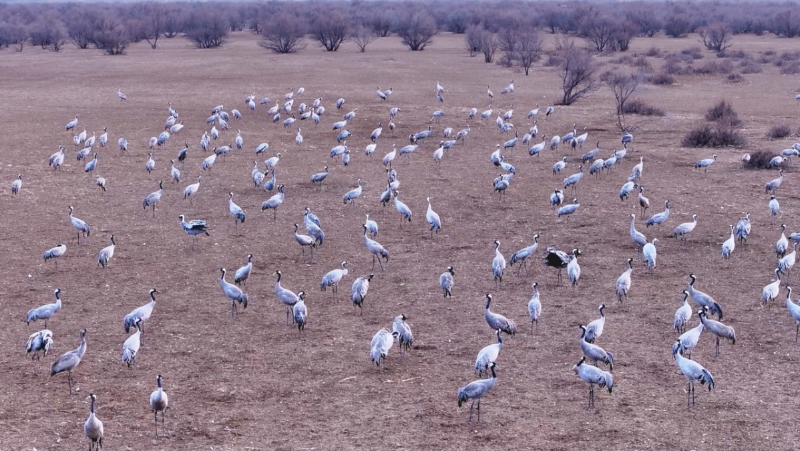
国家林草局9月9日报道,盐城大丰一处原为贫瘠鱼塘的地块自2020年以来采用基于自然的解决方案,把水田和鸟类友好型生态农业结合,为越冬迁飞候鸟提供食物补给与栖息环境。2021至2024年,区域鸟类种类和数量均出现明显增长。
这些数字反映多年生态管理成果,不是某一天的鸟种清单。原始报道没有列出具体物种,本文不附加未经该来源确认的目标鸟。出发前应查阅遗产地、保护区或当地文旅部门最新开放与交通信息。
生产性湿地怎样观察
稻田、鱼塘和沟渠既是鸟类利用的生境,也是经营者的生产空间。只从公共道路、允许停留的观察点或正式步道使用双筒镜和单筒望远镜,不踩田埂、不跨闸门、不移动农具,也不在车辆出入口架设三脚架。
清晨先远距离扫描积水田块、沟渠和塘边,再记录群体大小、取食方式和飞行方向。不要开车追随鸟群;鸟整体起飞、停止取食或持续远离,通常表示观察压力已经过大。
把一次观鸟变成对社区的尊重
停车不得堵住农机、居民或巡护车辆,购买饮水和餐食也应遵守当地经营秩序。遇到灌溉、收割、封路或管理人员劝离时立即调整,不以世界遗产或观鸟名义要求进入非开放区域。
照片只标注盐城或黄海湿地等宽泛范围,不实时分享小群珍稀鸟的具体田块。垃圾全部带走,不投喂、不放无人机,让鸟类友好型农业的收益和安静同时留在社区。
Why bird-friendly farming matters
The NFGA reported on September 9 that a former poor fishpond site in Dafeng, Yancheng, has used a nature-based solution since 2020, combining rice fields with bird-friendly ecological agriculture to provide food and habitat for wintering migrants. Bird richness and abundance both increased markedly from 2021 to 2024.
These figures describe multi-year management, not a one-day checklist. The source did not list species, so this article adds no unverified target. Check current access and transport information from the heritage site, reserve or local tourism authority before departure.
How to watch in a working wetland
Rice fields, ponds and ditches are bird habitat and working property. Use binoculars or a scope only from public roads, permitted viewpoints and formal paths. Do not walk on bunds, cross gates, move equipment or place tripods in vehicle entrances.
At dawn, scan flooded fields, ditches and pond edges from distance, recording flock size, feeding and flight direction. Never follow a flock by car. A mass take-off, stopped feeding or persistent retreat indicates excessive pressure.
Make the visit respectful to the community
Never block farm machinery, residents or ranger vehicles. Follow local business and visitor rules, and move immediately for irrigation, harvest, road closure or staff instruction. World Heritage status is not permission to enter a non-public area.
Label images only at Yancheng or Yellow Sea wetland scale; do not live-share the exact field used by a small rare-bird group. Carry out all waste, provide no food and fly no drone, preserving both community benefit and quiet habitat.