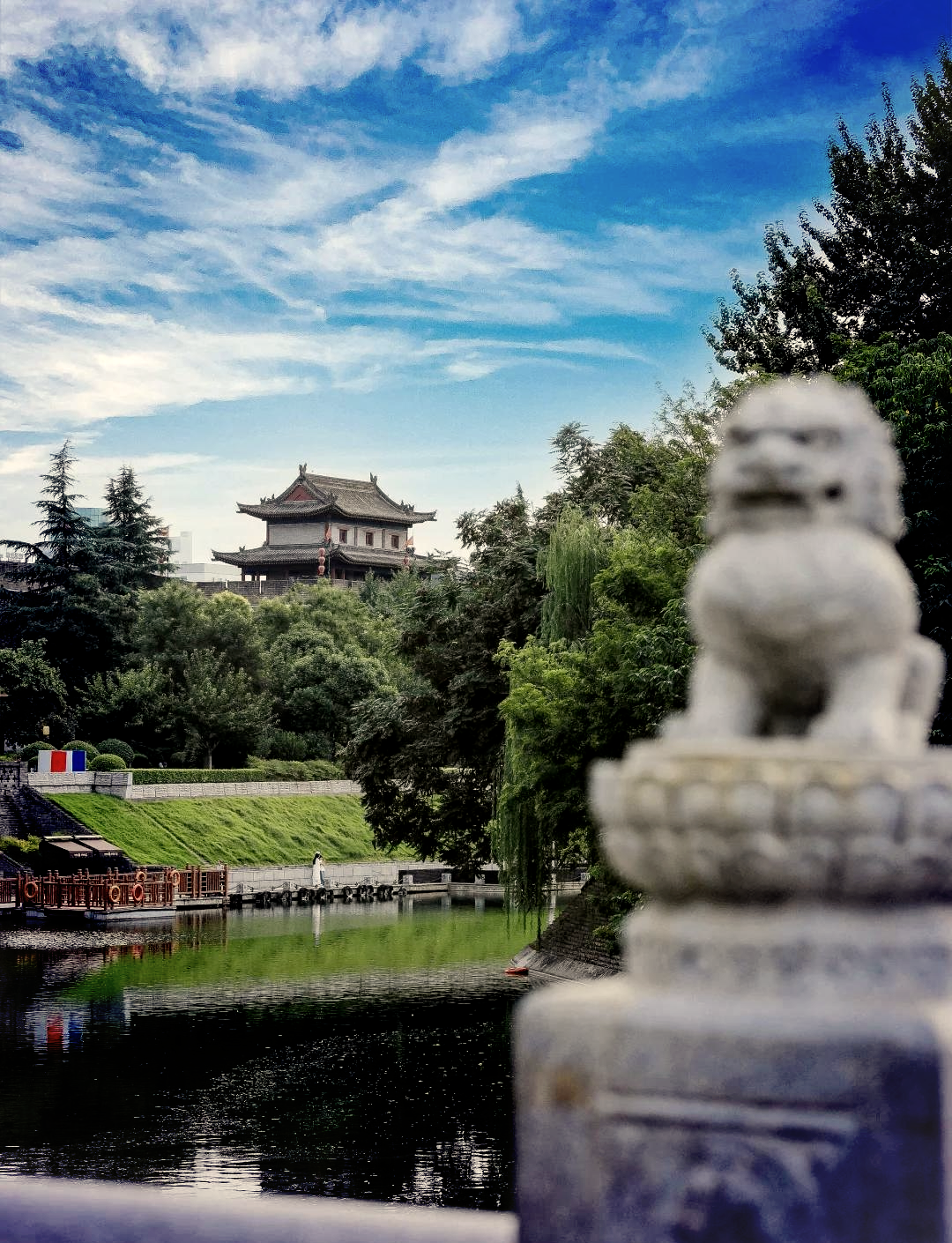
8日至9日怎样利用晴暖时段
8日晴、15—24℃,9日多云、16—27℃。城市公园可把主要观察放在日出后两小时,穿可脱卸外层;午后升温时补水、防晒并缩短开阔水边的连续暴露时间。
晴暖不等于迁徙鸟一定增多。风向、生境、水位、人流和观察努力都会改变清单;不要因为物种数少就扩大到未开放区域,或临时追逐群聊中的精确鸟点。
10日至11日降雨前后怎样取舍
10日预报多云转小雨,11日小雨且最高气温降至21℃。出发前设定最后折返点和返程时间;云底降低、路面湿滑、能见度下降或管理人员提示时提前结束。
雨前雨中不进入峡谷、河滩、库岸、松动边坡或信号不稳定支路。城市备用点应有固定步道、公共交通和明确出口;雨具、防滑鞋、备用袜与充电电源比额外摄影器材更重要。
12日至14日怎样留下可比较记录
12日多云、13日晴、14日多云,早晚最低温约12—13℃。清单应备注开始与结束时间、温度、云量、风、降水、路线和有效观察时长;只有努力量相近的记录才适合比较。
只凭声音的记录注明声闻,证据不足保留未定。不开鸟鸣回放,不因雨后短暂集群实时发布坐标;若道路、步道或防火规定与天气计划冲突,以现场管理和安全为先。
Use the mild window on the 8th and 9th
The 8th is forecast sunny at 15–24°C and the 9th cloudy at 16–27°C. In urban parks, concentrate effort in the first two hours after sunrise and wear a removable outer layer. Rehydrate and use sun protection as the afternoon warms, shortening prolonged exposure beside open water.
Mild weather does not guarantee more migrants. Wind, habitat, water level, people and observer effort all change a checklist. A short list is never a reason to enter a closed area or chase a precise pin from a chat group.
Decide carefully around rain on the 10th and 11th
Cloud is forecast to turn to light rain on the 10th, followed by light rain and a 21°C maximum on the 11th. Set a final turnaround point and return time before leaving; finish early when cloud lowers, surfaces become slippery, visibility falls or staff advise it.
Do not enter gorges, river flats, reservoir shores, unstable slopes or weak-signal side roads before or during rain. A city backup should have fixed paths, public transport and clear exits. Rainwear, grippy footwear, dry socks and a power bank outrank extra camera gear.
Make records comparable from the 12th to 14th
The forecast shifts to cloud on the 12th, sunshine on the 13th and cloud on the 14th, with morning lows around 12–13°C. Note start and finish times, temperature, cloud, wind, precipitation, route and active observation time. Compare lists only when effort is reasonably similar.
Label heard-only records and leave uncertain birds unidentified. Do not use playback or live-share a short-lived post-rain aggregation. If a road, trail or fire-control rule conflicts with the weather plan, on-site management and safety always come first.