首批抵达意味着什么
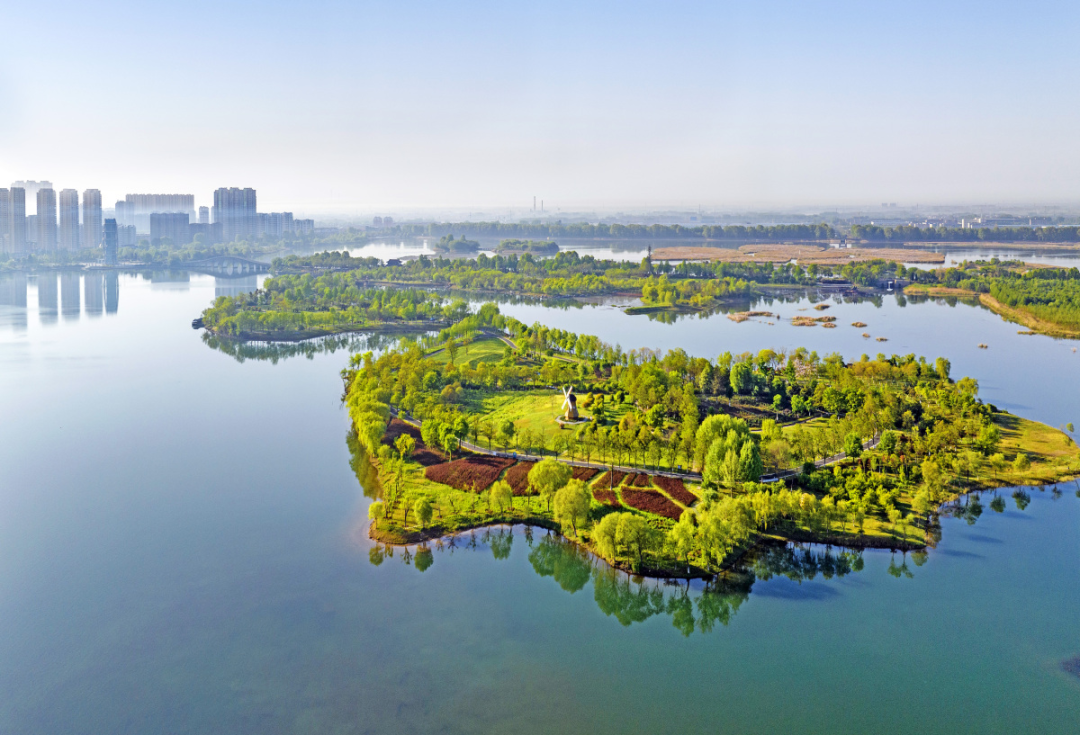
国家林草局9月11日发布的消息称,进入9月,天津七里海湿地迎来今年首批秋季南迁候鸟,候鸟在水面漫步和觅食,为后续迁移拉开序幕。它确认了季节已经转换,但没有说明数量峰值或具体鸟种。
“首批”不等于“高峰”,更不代表每天都在同一水面活动。风向、水位、降雨和食物会改变停歇分布,观鸟计划应保留调整空间,也不承诺目标种。
来源没列鸟种时怎样做可靠记录
不要只凭一帧视频、逆光轮廓或他人转述强行报种。先记录类别层级,例如“鸻鹬类”“雁鸭类”或“鹭类”;再写日期、时段、天气、生境、数量级、取食或飞行行为,并保留原始照片。
回程后可使用权威图鉴或请有经验的记录者复核。无法确认时保留“未定”完全可以;不把推测包装为官方记录,正是有价值的公民科学习惯。
保护区外围观鸟的四项检查
出发前向七里海保护管理或天津相关主管部门核实开放、预约、交通和天气,不把新闻画面中的水面反推成导航点。现场只在允许的公共外围和观察设施活动,服从临时封闭与巡护指引。
使用望远镜代替向鸟群靠近,不下滩、不乘非许可船只、不投喂、不播放、不放无人机。只分享“七里海湿地”级别的位置,尤其不公布小群珍稀鸟、夜栖地或稳定补给点的实时坐标。
What the first arrivals mean
The NFGA report of September 11 says Qilihai Wetland in Tianjin received the year's first southbound autumn migrants in September, with birds walking and feeding on the water and marking the start of later movement. It confirms a seasonal transition but gives neither a peak count nor species names.
'First' does not mean 'peak', and birds will not use the same water daily. Wind, water level, rain and food alter stopover distribution. Keep plans flexible and never promise a target species.
Making a reliable record when no species is listed
Do not force a species name from one video frame, a backlit silhouette or hearsay. Begin at group level—shorebird, duck or heron, for example—then note date, time, weather, habitat, approximate count, feeding or flight behaviour, and retain original photographs.
Later, check an authoritative field guide or ask an experienced recorder to review the evidence. Leaving an observation unidentified is valid; not presenting an inference as an official record is good citizen science.
Four checks for birding around a reserve
Before travel, verify access, reservations, transport and weather with Qilihai management or the relevant Tianjin authority. Do not reverse-engineer a navigation pin from news footage. Use only permitted public perimeter areas and observation facilities and obey ranger instructions and temporary closures.
Use optics instead of closing distance. Do not enter flats, take an unauthorized boat, feed, use playback or fly a drone. Share only a Qilihai-level locality, never a live pin for a small rare-bird group, roost or dependable refuelling site.