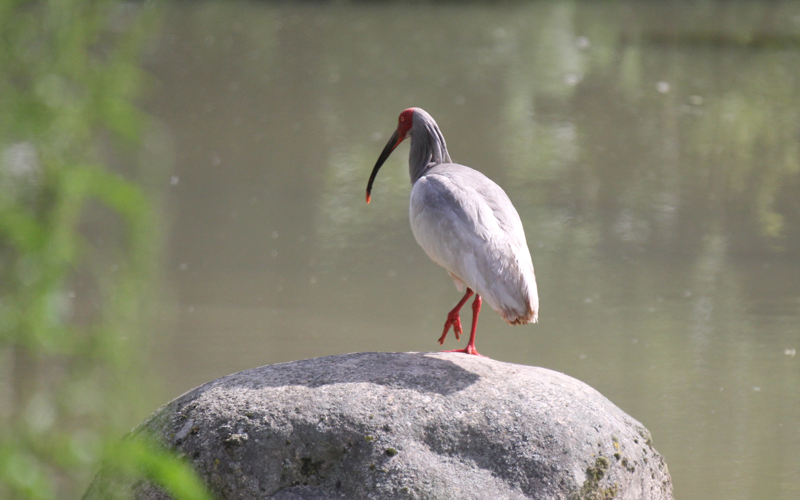
新规则对普通观鸟者意味着什么
修正后的决定继续把野生鸟类及其栖息地、迁徙通道作为整体保护对象。观鸟旅行不能以“拍到”为理由进入封闭区域、破坏植被、惊飞鸟群或影响正常取食和繁殖;自然保护地现场规定优先于网络攻略。
看到朱鹮、黑鹳等重点保护鸟类时,只记录公开可进入区域和大致范围,不实时发布巢树、夜栖点、育雏地或稳定取食点的精确坐标。
拍摄、声音和网络分享的底线
不使用鸟鸣回放、食物、活饵或围堵方式诱拍,不追车、不追飞、不剪枝清障。发现鸟抬头警戒、停止取食、反复鸣叫或离开原位,应立即后退。
发布照片时删除定位信息,敏感记录延迟发布并模糊地点;不要在群聊中转发未经保护机构确认的稀有鸟精确位置。线上流量不能高于鸟类安全。
旅行团队怎样落实
向导和司机在出发前核实保护地开放范围、停车位置与步道;团队人数较多时分小组观察,控制停留和说话音量。任何临时封闭、巡护人员劝离或防火规定都必须服从。
如发现捕鸟网、夹套、受伤鸟或疑似非法交易,不自行拆除、抓捕或对峙;在安全位置记录大致地点与时间,联系当地林业、公安或野生动物救护机构。
What the updated rules mean for ordinary birders
The amended decision continues to protect wild birds together with their habitats and migration corridors. A photograph never justifies entering a closed zone, damaging vegetation, flushing a flock or interrupting feeding or breeding. Rules posted by the protected area take priority over online itineraries.
For Crested Ibis, Black Stork and other protected birds, record only publicly accessible areas and broad locality. Never live-share exact nest trees, roosts, nursery sites or dependable feeding points.
Photography, sound and online sharing
Do not use playback, food, live bait, crowding, vehicle pursuit or vegetation removal. Retreat when a bird becomes vigilant, stops feeding, calls repeatedly or moves away.
Strip location metadata from images, delay sensitive records and generalize the site. Do not forward an unverified rare-bird pin in group chats. Online attention must never outrank bird safety.
How a travel group should comply
Guides and drivers should verify access, parking and trail rules before departure. Split large parties, limit noise and accept every temporary closure, ranger instruction and fire restriction.
If you encounter a net, trap, injured bird or suspected illegal trade, do not dismantle, capture or confront. From a safe place, note the approximate location and time and contact local forestry, police or a wildlife rescue authority.