541种不是一次旅行能看到的清单
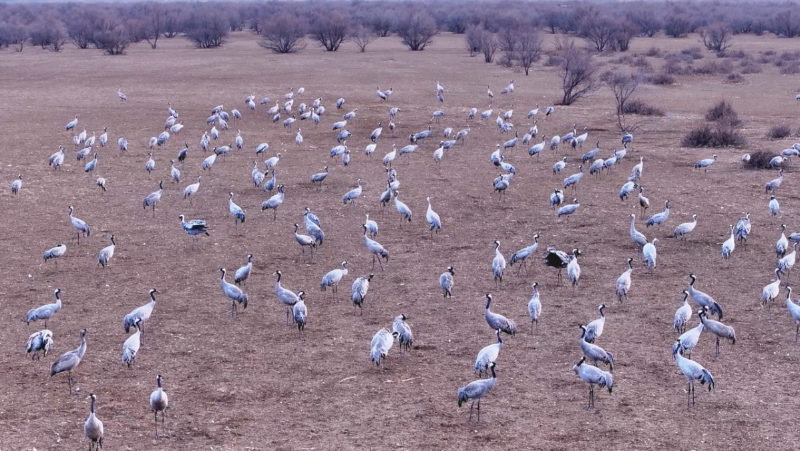
青海省政府9月14日信息称,持续监测新增7种鸟类观测记录,结合最新调查成果,省级鸟类名录更新到541种;同一信息还提到大天鹅种群数量同比增长9.8%。这些数字来自跨区域、跨季节的调查与长期积累。
省级名录不能被理解为某个湖泊、某一天或一条线路的可见种数;“新增记录”也不等于物种刚刚来到青海。它可能反映调查覆盖、辨识证据和名录审核的进展。来源没有列出7种的名称,本文不自行补写。
大天鹅增长数字怎样用于观鸟
同比增长9.8%说明官方监测中的种群指标较上一比较期上升,但不保证每个公开观察点都增加,也不能用于承诺当天数量。水位、结冰、食物、风雪和迁徙进程都会改变鸟群分布。
大天鹅颈部较长,成鸟通体白色、嘴以黄色为主并带黑色尖端;幼鸟偏灰。高原远距离观察时,应与可能同域出现的其他天鹅保持未定判断,直到嘴部花纹、体型和叫声得到一致证据。
高原秋季记录的安全与保护
出发前核对天气、道路、海拔适应和保护地开放信息,避免独自进入无人区。携带保暖层、防风防晒装备、饮水和离线地图;出现头痛、恶心、步态不稳等高原反应时停止上升并及时求助。
只在公共道路、栈道或观景台使用望远镜,不向水边逼近,不驾车驱赶鸟群,不使用无人机、回放或投喂。珍稀记录先提交给可信监测机构,公开时删除坐标并延迟发布。
A provincial total is not a trip list
The September 14 Qinghai government update says continued monitoring added seven bird observation records and the provincial list now contains 541 species; it also reports a 9.8% year-on-year increase in Whooper Swans. These figures combine surveys across places, seasons and years.
The provincial total is not the number available at one lake, on one day or along one route, and a new record does not necessarily mean the species has only just reached Qinghai. It may reflect survey coverage, documentation and checklist review. The source does not name the seven additions, so this article does not guess them.
Using the Whooper Swan figure responsibly
A 9.8% year-on-year increase describes an official monitoring indicator relative to its comparison period. It does not promise growth at every public viewpoint or a particular day count. Water, ice, food, snow, wind and the stage of migration redistribute flocks.
A Whooper Swan has a long neck; adults are white with a bill that is mainly yellow with a black tip, while juveniles are greyer. At plateau distance, keep an unidentified swan at genus level until bill pattern, size and voice provide consistent evidence.
Safety and conservation in an autumn plateau record
Check weather, roads, altitude preparation and protected-area access before departure and do not enter remote country alone. Carry warm and windproof layers, sun protection, water and offline navigation. Stop ascending and seek help for headache, nausea, poor coordination or other altitude symptoms.
Observe only from public roads, boardwalks or viewpoints. Do not push toward the water, herd a flock with a vehicle, fly a drone, use playback or feed birds. Submit a rare record first to a trusted monitoring body, remove coordinates and delay any public post.