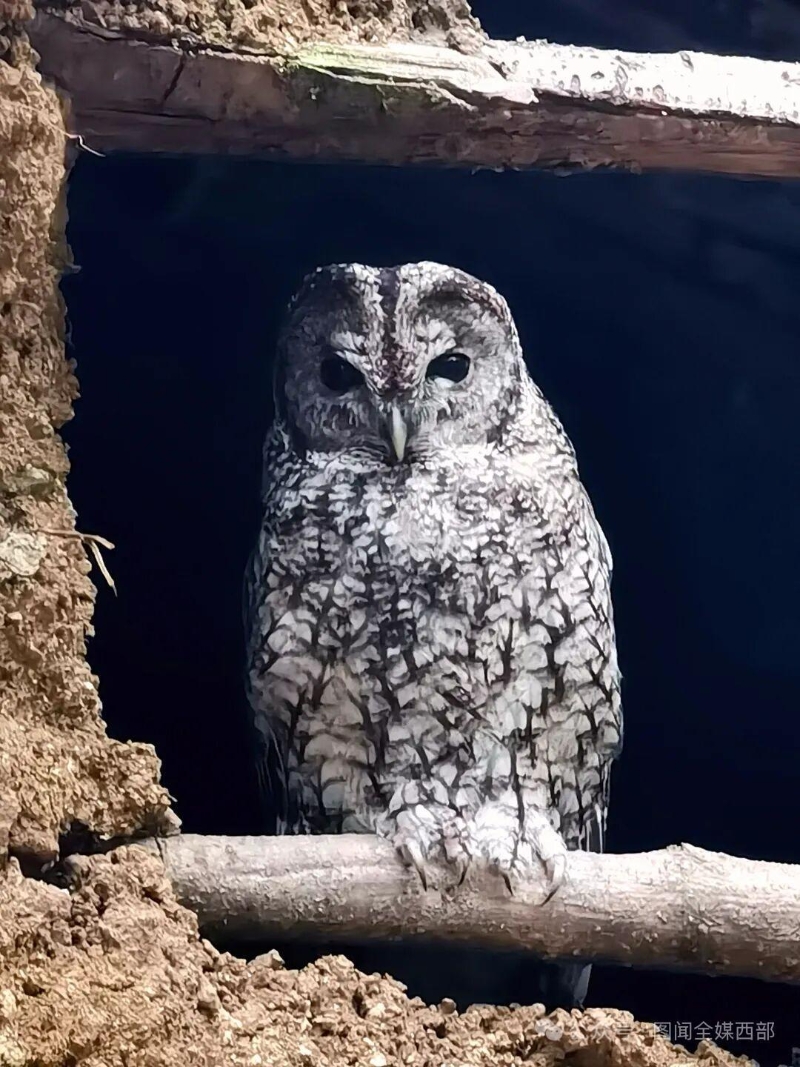
这次放归说明了什么
国家林草局9月9日报道,吉林省相关林草、救护和自然资源部门在长春市双阳区吊水壶森林公园放归38只野生动物,其中鸟类8种36只。报道明确列出的国家二级保护鸟类包括雕鸮和燕隼;这些个体此前因受伤、体弱或罚没进入救护机构。
放归不是把鸟带到任意山林后打开纸箱。个体要经过检查、康复和野化训练,并由专业人员判断原生分布、生境、食物和生存能力。普通人不要自行选择放归地点,也不要把救助个体长期饲养或用于展示。
雕鸮和燕隼怎样区分
雕鸮体形很大,头顶有明显耳羽簇,橙色眼睛和粗壮体态醒目,常在黄昏及夜间活动。燕隼体形较小、翼长而尖,飞行敏捷,成鸟下腹及腿部附近可见棕红色。远距离或逆光时应结合体形、飞行方式和连续照片判断。
发现猛禽停在低处并不必然代表受伤。若鸟能警戒、抓握和主动离开,可先扩大距离观察;若持续闭眼、翅膀下垂、明显出血、无法站立或处在车流中,才更需要专业人员判断。
遇到伤鸟的正确步骤
先隔离围观者、猫狗和车辆,在安全距离记录时间、大致地点和状态,并联系当地林业主管部门、野生动物救护机构或公安。不要喂牛奶、米饭,不强行灌水,不自行用药,也不要反复摆拍。
只有在专业人员明确指导且现场存在即时危险时,才可用带透气孔的纸箱短时安置,保持昏暗、安静和适温。照片和求助信息只发布到城市或公园级范围,不公布救护点后台、临时笼舍或后续放归的精确坐标。
What this release demonstrates
The NFGA reported on September 9 that forestry, rescue and natural-resource teams in Jilin released 38 wild animals in Diaoshuihu Forest Park, Shuangyang, Changchun. They included 36 birds of eight species; Eurasian Eagle-Owl and Eurasian Hobby were specifically named as nationally protected species. The animals had entered care through injury, weakness or confiscation.
Release is not a matter of opening a box in any woodland. Health, rehabilitation, wild-behaviour training, native range, habitat, food and survival capacity must be assessed by professionals. A finder should neither choose a release site nor keep a rescued bird for display.
Separating an eagle-owl from a hobby
Eurasian Eagle-Owl is very large, with prominent ear tufts, orange eyes and a powerful build, and is mainly crepuscular or nocturnal. Eurasian Hobby is smaller, long- and pointed-winged, agile in flight, and adults show rufous around the lower belly and thighs. Use size, flight and a sequence of views when light is poor.
A raptor sitting low is not automatically injured. If it remains alert, grips normally and can leave, increase distance and observe. Persistent closed eyes, a drooping wing, visible bleeding, inability to stand or immediate traffic danger more strongly justify professional assessment.
The correct response to an injured bird
Move onlookers, pets and traffic away first. From a safe distance, note time, broad location and condition, then contact local forestry, a wildlife rescue centre or police. Do not give milk or rice, force water, medicate or repeatedly pose the bird for photographs.
Only when a professional instructs you and immediate danger exists should a ventilated cardboard box be used briefly, kept dark, quiet and appropriately warm. Share only city- or park-level information; never publish rescue backrooms, temporary cages or precise future release coordinates.