这些数字是调查基线,不是实时鸟讯
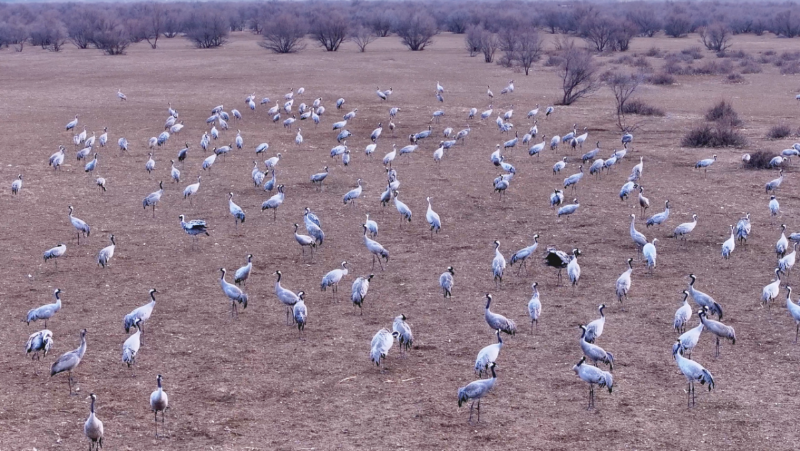
80种和52.1万余只来自2026年度全省同步调查,丹顶鹤635只也是江苏越冬种群尺度;它们不能理解为某个湿地、某天或游客一次行程的可见数量。13种连续三年增长说明监测趋势,不保证下一季每个点都增加。
小天鹅、斑头秋沙鸭等“增长超10倍”应结合较早年份基数、统一调查时段和方法理解。文章使用官方汇总,不尝试推算未公布的分区数量、实时位置或夜栖点。
今冬路线先按生境而不是数字选择
先在江苏沿海盐沼、淡水湖泊与河网湿地三类生境中选一类,再核对保护地开放、预约、潮汐、水位、交通和天气。丹顶鹤、小天鹅和斑头秋沙鸭的生境与活动方式不同,不应把省级名单当作同一地点的目标清单。
把行程分为一个主点和一个依法开放的备选点,固定观察时长与路线。现场没有目标鸟时保留零记录,不跨封闭线、不跟随车辆或人群寻找精确位置,也不以社交媒体聚集代替官方信息。
怎样做可与调查趋势对照的记录
记录日期、起止时间、天气、风、潮位或水位、观察距离、光线、路线和人数;群体数量用同一方法估算并标注范围。辨识小型雁鸭时先记体型、头部图案、翼纹和行为,证据不足就保留属级或未定。
同步调查依赖一致方法,普通观鸟清单不能直接替代官方监测。可上传不含敏感坐标的完整努力记录,为长期观察提供补充;对丹顶鹤、朱鹮等重点保护鸟类不追逐、不围堵、不投喂,也不公开夜栖、繁殖或稳定取食位置。
Survey baselines are not live bird alerts
The 80 species and more than 521,000 birds come from a province-wide synchronous 2026 survey; the 635 Red-crowned Cranes likewise describe Jiangsu's wintering population scale. They are not a count for one wetland, day or visitor outing. Three consecutive years of growth in 13 species indicates a monitoring trend, not guaranteed increase at every site next season.
More-than-tenfold growth in Bewick's Swan, Smew and other species must be read with the earlier baseline, common survey period and method. This article uses the official aggregate and does not infer undisclosed sub-site counts, live positions or roosts.
Choose winter routes by habitat, not headline totals
First choose one habitat class—coastal saltmarsh, freshwater lake or river-network wetland—then verify official access, booking, tide, water level, transport and weather. Red-crowned Crane, Bewick's Swan and Smew use habitats differently; a provincial list is not a target list for one place.
Plan one main site and one legally open alternative with fixed effort and route. Keep a zero record when targets are absent. Never cross a closure, follow vehicles or crowds for an exact position, or replace official information with a social-media gathering.
Records that can be compared with trends
Record date, start and end time, weather, wind, tide or water level, distance, light, route and group size. Estimate flocks consistently and state a range. For small waterfowl, note size, head pattern, wing pattern and behaviour; retain genus or unidentified status when evidence is insufficient.
A synchronous survey depends on standardized methods, so an ordinary checklist cannot replace official monitoring. A full-effort record without sensitive coordinates can still add long-term context. Never chase, surround or feed Red-crowned Cranes, Crested Ibises or other protected birds, and do not publish roosting, breeding or dependable feeding locations.