官方确认的是生态恢复,不是实时鸟单
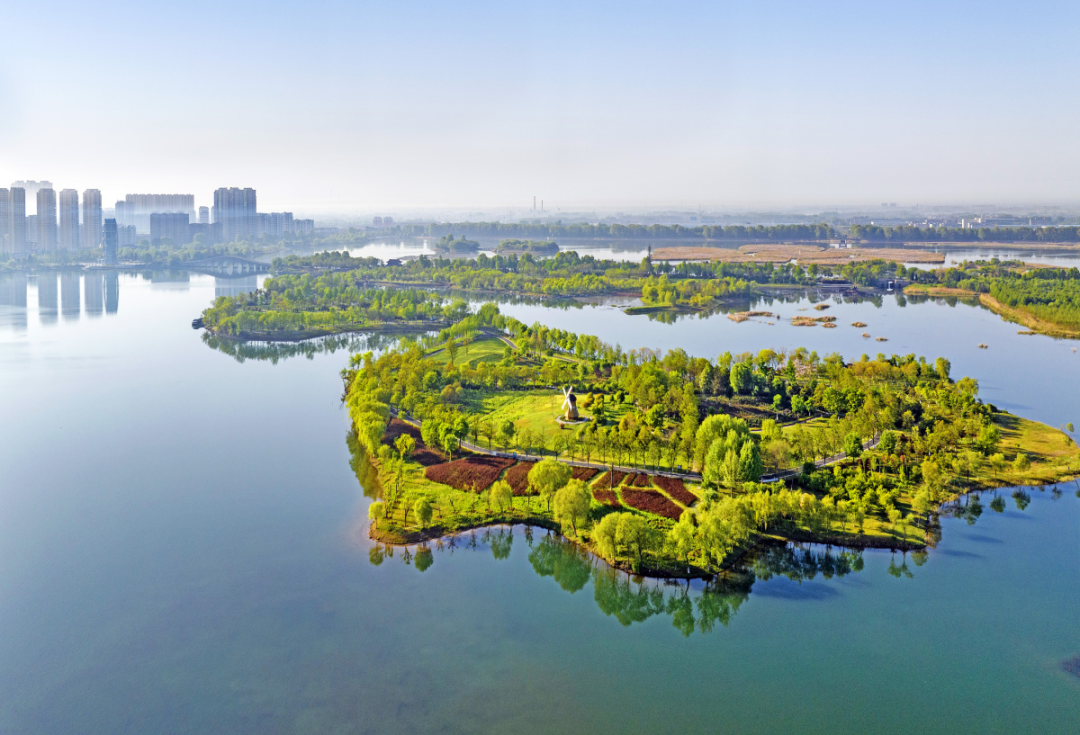
国家林草局10月16日资料介绍,黄旗海是内陆封闭式湖泊,曾受气候等因素影响一度濒临干涸;当地通过多项保护治理措施恢复草、水、岸滩和鸟类栖息环境。来源确认了生态改善和“栖息鸟类”,但没有列出鸟种、数量、位置或游客开放时段。
因此不能把报道改写成“某珍稀鸟已到”或保证现场必见。计划行程时只使用保护区、地方政府或文旅部门当天公布的道路、开放区域和天气信息,社交媒体照片不构成进入许可。
北方湖区先看风、温度和岸线条件
10月乌兰察布湖区早晚风寒明显,裸露岸线可能湿滑、松软或因修复施工封闭。准备防风保暖层、护目和防滑鞋,把车停在合法区域,不驶入草地、滩涂或巡护便道。
选择固定公共观景点,用双筒镜先扫水面再看岸边。大风、扬尘、低能见度或日落临近时缩短观察;不要为寻找未被来源确认的目标鸟而离开安全道路。
恢复中的湿地更需要把距离留给鸟
鸟群游离岸边、连续惊飞、停止取食或集体警戒都表示距离过近。不要从两侧夹近、放无人机、鸣笛、投喂或进入芦苇和浅滩。水位变化后的新生滩地也是觅食空间,不是捷径。
记录可包括日期、风力、温度、可见水面范围、鸟群大类和数量区间;无法确认的写作“雁鸭类”或“鸻鹬类”。公开内容保留到保护区尺度,不分享夜栖岸段或实时移动方向。
The official source confirms restoration, not a live species list
The NFGA’s October 16 feature describes Huangqihai as a closed inland lake that once approached desiccation under climatic and other pressures. A suite of measures has restored grass, water, shores and bird habitat. The source confirms ecological recovery and resident birds but provides no species, count, point or visitor hours.
It must not be rewritten as a rare-bird arrival or a sighting guarantee. Plan only from same-day road, access and weather information published by the reserve, local government or tourism authority. A social-media image is not entry permission.
Check wind, temperature and shore conditions first
October mornings and evenings around Ulanqab lakes can be cold and windy, while exposed shores may be soft, slippery or closed for restoration. Carry windproof insulation, eye protection and grippy footwear. Park legally and never drive onto grassland, flats or patrol tracks.
Use one fixed public viewpoint, scanning open water before the shore. Shorten the visit in strong wind, dust, poor visibility or near sunset, and never leave a safe road to search for a species the source did not confirm.
A recovering wetland needs space
Flocks swimming away, repeated flushing, interrupted feeding or collective vigilance all show excessive proximity. Do not approach from both sides, fly drones, honk, feed or enter reeds and shallows. Newly exposed flats after water change are feeding habitat, not a shortcut.
Useful records include date, wind, temperature, visible-water coverage, broad bird group and a count range. Keep uncertain birds as geese and ducks or shorebirds. Public posts should remain at reserve scale and omit roost shores and live movement directions.