红外相机记录不是游客导航
国家林草局9月14日转载的信息称,保护区红外相机捕捉到多只白鹇成鸟带幼鸟在林间觅食、互动。它说明监测范围内存在家庭群活动,但来源没有授权公众接近相机位、林下通道或幼鸟活动区域。
红外设备通常布设在野生动物自然通行处。根据影像背景寻找设备、撒食等候或在兽径守拍,会改变鸟类活动并干扰长期监测。出行只依据保护区公开开放公告和现场标识。
雄鸟、雌鸟和幼鸟的辨识
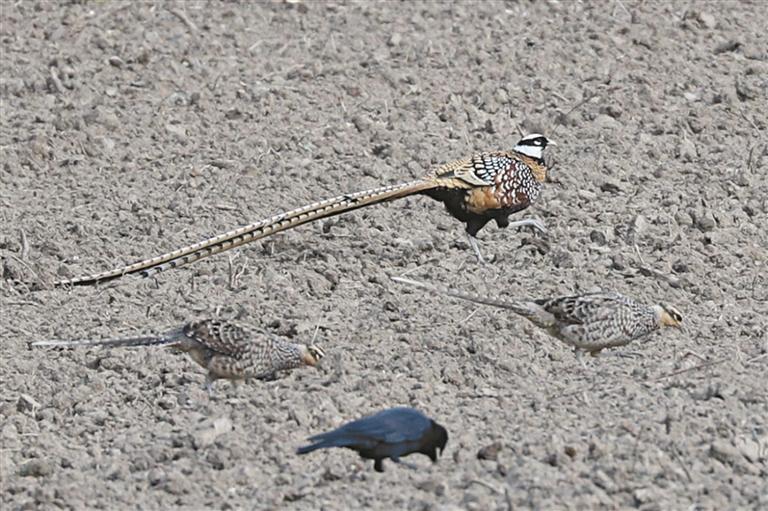
成年雄性白鹇最醒目的特征是白色上体带细密黑纹、黑色腹面、红色面部裸皮和长尾;雌鸟整体棕褐、斑纹细密,尾较短。不同亚种和换羽状态会影响纹路与颜色,不能只看一处白斑。
幼鸟羽色较朴素,与雌鸟相近,体态和羽毛整齐程度可提供线索。家庭群在林下快速穿行时,先记录数量、大小差异、取食行为和时间,不为确认性别或年龄而追赶、围堵。
森林观察怎样保持低干扰
沿已开放步道缓慢行走,先听落叶声、警戒叫声,再在原地等待。不要播放叫声、模仿警戒声、投喂谷物或清理灌丛;鸟带幼鸟绕路、疾走或反复警戒说明距离过近。
遇到家庭群应让出其前进方向,缩短停留并取消追拍。照片只标注“安福县”或“保护区周边”级别,不公布相机编号、林班、岔路、溪沟或固定出没时间。
A camera-trap record is not visitor navigation
The September 14 NFGA item says cameras recorded several adult Silver Pheasants with juveniles feeding and interacting in forest. It confirms a family party within the monitoring landscape but grants no public access to camera stations, forest passages or nursery areas.
Wildlife cameras are commonly placed along natural travel routes. Searching backgrounds for a device, baiting a site or waiting on an animal path changes behaviour and compromises monitoring. Travel only under published reserve access notices and on-site signs.
Adult male, female and juvenile clues
An adult male shows white upperparts finely marked black, dark underparts, red facial skin and a long tail. A female is mainly mottled brown with a shorter tail. Subspecies and moult alter pattern and tone, so never rely on one white patch.
Juveniles are subdued and can resemble females; proportions and feather condition may help. When a family party moves quickly through undergrowth, record count, size differences, behaviour and time. Do not chase or surround birds to settle sex or age.
Low-impact forest watching
Walk slowly on open trails, listen for leaf movement or alarm calls, then wait in place. Do not use playback, imitate alarms, scatter grain or clear shrubs. Detouring adults, running juveniles or repeated vigilance mean you are too close.
Give a family party its direction of travel, shorten the encounter and abandon a pursuit. Label images only at county or broad reserve-perimeter level, never with a camera number, forest compartment, junction, stream or dependable encounter time.